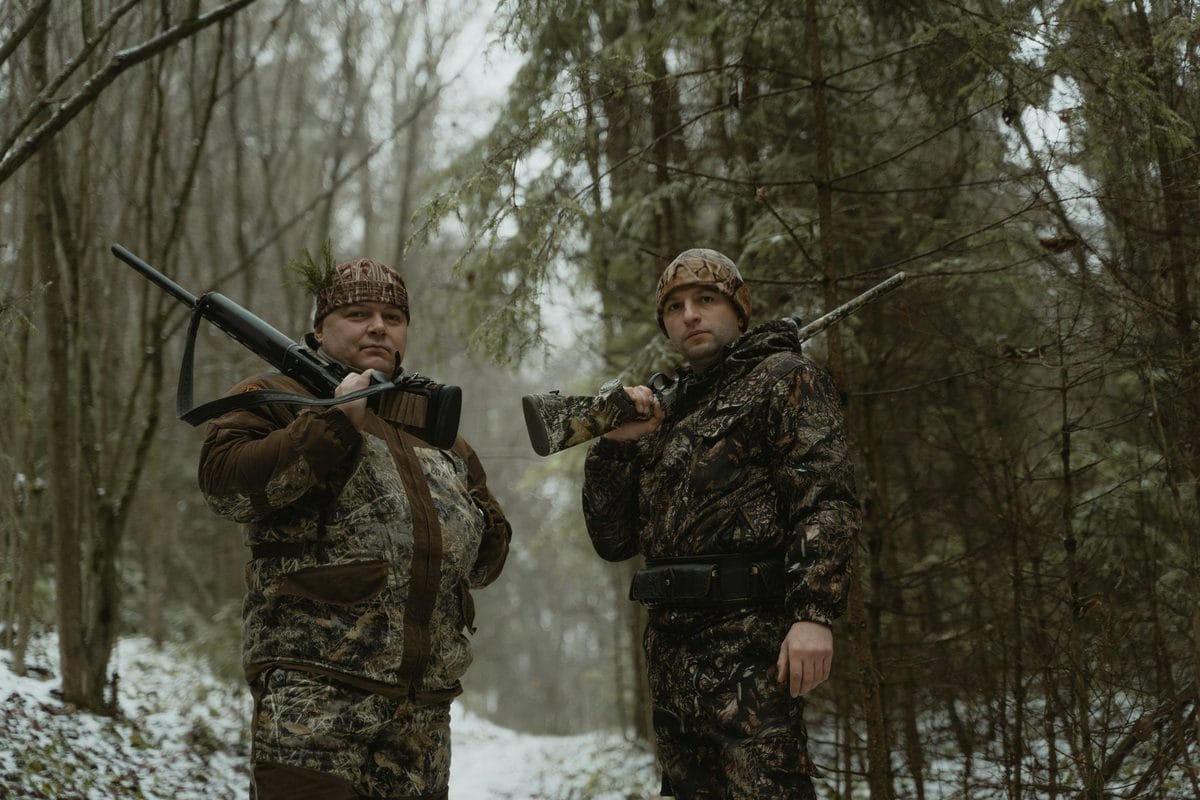
On August 15, while dove hunters are still three weeks out from their opener and elk archery tags out West haven't even shipped, Georgia hunters will already be six days into a season most of the country forgets exists. Squirrel season opens statewide on August 15, 2026, and runs clear through February 28, 2027 — the earliest gun season anywhere in the Southeast, and one of the longest. Yet most hunters treat that mid-August date as a formality wedged between turkey closing and dove ramping up. That's a mistake, and it's one that costs them six weeks of hardwood ridges nobody else is walking.
The Georgia Department of Natural Resources sets a daily bag limit of 12 squirrels statewide, covering both gray and fox squirrels combined, though anyone hunting a Wildlife Management Area needs to know the fine print: WMAs and other state-managed lands cap fox squirrel harvest at one per day regardless of the statewide limit. That distinction trips up more hunters than it should, especially newcomers pulling regulations off a general hunting app instead of the current WMA-specific rules published by Georgia Wildlife Resources Division. Read the specific WMA regulations before you load a rifle, not after a warden asks to see your kill.
Hickories Before Acorns — Reading the Mast Crop in Early August
Squirrel activity in mid-August has almost nothing to do with acorns. White oak and red oak mast won't be ready for weeks yet, sometimes not until late September depending on the tree and the year, but hickories — shagbark and pignut especially — start dropping usable nuts well before that. That timing gap is the single most useful piece of information for an August hunt: find a ridge with mature hickories mixed into the hardwoods and you've found where the squirrels already are, regardless of what the oaks around them are doing. Early-season squirrels also spend far more time in the canopy than hunters expect, which changes how you have to hunt them. Still-hunting beats stalking in the first few weeks because squirrels feeding high in hickory crowns may not touch the ground for days at a time, cutting hulls and dropping shell fragments that patter down through the leaves long before you ever see movement. Find a spot with good sightlines into three or four connected hickory crowns, sit against a trunk, and wait for the sound of cutting to give away a feeding tree — that's a far better use of the first hour of daylight than walking a ridge hoping to jump one on the ground.
Gray Squirrels vs. Fox Squirrels — Different Woods, Different Approach
Gray squirrels stick to dense hardwood stands near creek bottoms and water sources, and they're notoriously skittish — a snapped twig fifty yards out will send a gray squirrel into a den tree for the next twenty minutes. Fox squirrels behave almost like a different animal entirely. They favor open pine stands, agricultural edges, and the transition zones where longleaf pine meets hardwood bottom, and they cover far more ground in a single morning than a gray squirrel ever will. If you're hunting a mixed pine-hardwood tract and seeing squirrels that seem oddly bold and mobile, you're almost certainly looking at fox squirrels rather than grays, and the one-per-day WMA limit on fox squirrels applies whether you meant to target them or not. One thing worth admitting up front: this isn't a slam-dunk hunt every time out. Some years the hickory crop is thin statewide and squirrels scatter into pine cones instead, which means a ridge that produced fifteen squirrels last August can go quiet this year for no reason a hunter standing in the woods could ever diagnose. Scout the week before opening day if you can, not the season before — mast production shifts enough year to year that last year's honey hole means very little on its own.
Where to Go — Four Public Land Options Worth the Drive
Public land access for squirrel hunting in Georgia is genuinely good, and a handful of tracts consistently produce for hunters willing to put in the legwork.
- Dawson Forest WMA, a roughly 25,000-acre tract off Highway 53 outside Dawsonville, rewards hunters who work the high ridges where hickory and oak mix — the same terrain-reading approach that works statewide, concentrated on a manageable piece of ground.
- Chattahoochee National Forest stays open to squirrel hunting for the full season and covers enough acreage across north Georgia that pressure rarely becomes a problem, even on opening weekend.
- Berry College WMA in Floyd County and Paulding Forest WMA have both produced strong reports from creek-bottom hickory stands, the kind of terrain that rewards a hunter willing to walk past the first pull-off.
- Piedmont National Wildlife Refuge, for hunters closer to Middle Georgia, offers another solid option within the WMA network — check the current-year refuge hunt schedule before you go, since federal refuge dates don't always match the statewide WMA calendar exactly.
Dawson Forest is the better choice if you're driving up from Atlanta and want a shot at squirrels without a three-hour haul, and Chattahoochee National Forest is the better choice if elbow room matters more to you than convenience.
Gear That Actually Matters for August Squirrels
A bolt-action or semi-auto .22 LR remains the standard tool for this hunt, and rifles like the Ruger 10/22 or the Marlin XT-22 — both commonly found new for somewhere in the $350–$450 range — handle canopy shots at 20 to 40 yards without the overkill of a centerfire. Federal's Premium Auto-Match and Winchester's Wildcat loads both feed reliably through semi-autos and shoot flat enough for headshots at treetop range, which matters more than raw power when the target is thirty feet up and moving through leaves. A shotgun works too, and plenty of Georgia hunters still carry a 20-gauge loaded with #6 shot for squirrels holding tight in thick foliage where a rifle shot isn't safe or clean.
Don't skip binoculars. A compact 8x pair — nothing exotic, a Vortex Diamondback or similar — turns a frustrating hour of squinting into leaves into an actual hunt, because most missed opportunities in August squirrel woods come from hunters never spotting the squirrel in the first place, not from bad shots. Heavy foliage this time of year hides more game than winter hunters ever have to deal with, and a hunter without glass is working with one hand tied behind their back.
The License Paperwork Nobody Reads Until They're Turned Away at the Gate
Every hunter needs a valid Georgia hunting license, and anyone hunting a WMA needs the WMA license add-on on top of it — that's a separate purchase from the base hunting license, and it's the single most common thing first-time WMA hunters forget before a trip. Licenses are available online through the Georgia DNR system or at any license agent, and the process takes about ten minutes if you handle it the night before rather than trying to buy one from a phone with no signal in a gravel WMA parking lot at 5:45 a.m.
Why Squirrel Season Deserves More Respect Than It Gets
Georgia's Wildlife Resources Division has leaned into squirrel season as an entry point for new hunters, and the reasoning holds up: this isn't a hunt that demands the discipline of sitting motionless in a deer stand or staying dead silent the way turkey hunting does. Squirrels give away their own position constantly — cutting hulls, chattering at each other, scrambling through dry leaves — which means a hunter who moves a little too much or breathes a little too loud usually gets a second chance anyway. That forgiving margin is exactly why it works as a first hunt for a kid or a new adult hunter, and exactly why plenty of veteran hunters still treat six weeks of good hickory-ridge squirrel hunting as the best warm-up there is for archery season.
Six and a half months on the calendar, a bag limit generous enough to fill a cooler in a good morning, and public land that isn't crowded on opening weekend — Georgia's squirrel season earns more attention than it usually gets. Scout the hickories this week, not the week the leaves start turning.