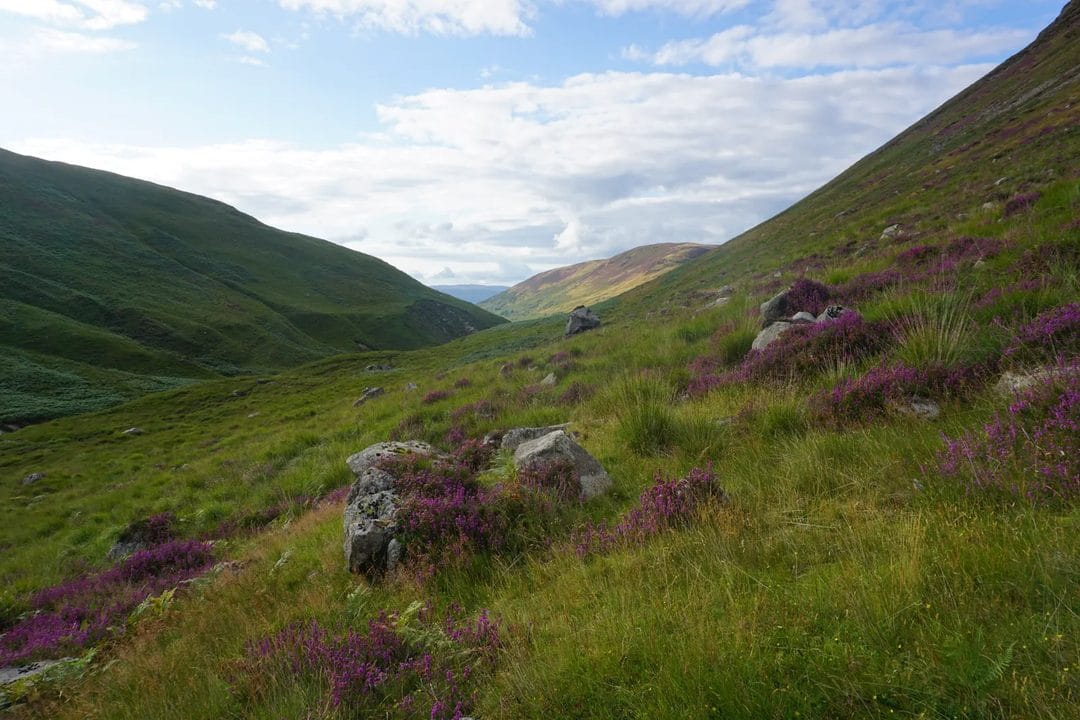
Six-forty on 12 August, and the only sound on Fylingdales Moor is a curlew somewhere off to the left and a keeper's Land Rover grinding up the track behind you. You're stood at peg four, gun broken over your arm, boots already soaked through from the heather, and in a few minutes several hundred red grouse are going to come off that hillside at forty miles an hour, low and fast, giving you maybe two seconds to mount, swing and fire before they're past. Nobody warns you how loud your own heartbeat sounds until that moment.
Driven grouse shooting is the closest thing British field sports has to a national ritual, and every 12 August it draws first-timers who've read about it, watched it, or been invited along by a father-in-law with a peg booked and no clear idea how much explaining they'll actually need to do. This is that explaining, minus the bit where someone assumes you already know which end of the gun the bang comes out of.
What the Glorious Twelfth Actually Involves
Red grouse can't be reared and released the way pheasant and partridge are — they're a genuinely wild bird, entirely dependent on managed heather moorland, which is why the whole industry around 12 August exists in the first place. A grouse moor in good heart is rotationally burned and grazed to produce the mix of young shoots for feeding and old growth for nesting cover that a wild population needs, and gamekeepers spend the eleven months before the season controlling predators and disease rather than releasing birds. Strongyle worm, a parasite that builds up in overgrazed heather, can knock a promising population back within a single year — one reason a keeper's job runs to more than fences and traps. That's also why a bad breeding spring — cold, wet weather in May when chicks are most vulnerable — can wipe out a season's shooting on a moor regardless of how well it's managed, and 2026 has already seen several Pennine estates cut bag limits after a wet late spring. None of this is visible to a gun on the peg, who just sees birds coming off the hill or not coming at all, but it explains why one moor twenty miles from another can have a completely different season. Ask the keeper about it over lunch rather than the shoot captain — keepers tend to talk straight about a bad year in a way that booking agents rarely do.
Two formats exist, and confusing them is the fastest way to turn up dressed wrong. Driven shooting puts guns on numbered pegs in a fixed line while a team of beaters — often 15 to 20 of them, moving in formation with flags — walks the birds towards you across open moor, so grouse arrive fast, low, and usually in short, unpredictable bursts. Walked-up shooting is the opposite: a small group of guns and dogs simply walks the moor and shoots birds as they flush underfoot, which is slower, cheaper, and far more forgiving for someone who's never swung on a driven bird before.
Where the Day Actually Goes
Drives, Not Just Shooting
A driven day is built around three or four drives before lunch and two or three after, each a self-contained fifteen-minute burst of action followed by forty minutes of walking and waiting while the beating line resets on the far side of the hill. You'll be told your peg number for each drive by the head keeper or the shoot captain, and pegs rotate between drives so nobody's stuck in the quiet spot all day — though on your first outing you'll still end up envying whoever draws peg one on the "hot" drive.
The Keeper Runs the Day, Not the Guns
This matters more than anything else in this article. The head keeper decides when the drive starts, when it's over, and whether conditions are safe to shoot at all, and his word is final even if you've paid £4,000 for the privilege of being there. Pickers-up with their labradors and spaniels work behind the line collecting shot birds once the drive ends — never walk forward to retrieve your own bird, and never shoot low across the line towards the beaters. Every serious moor briefs guns on this before the first drive, and any keeper worth his wages will pull a gun off the line for a single low or dangerous shot without a second warning.
Kit: What You Actually Need to Buy or Hire
None of it needs to be new, and most of it shouldn't be.
A 12-bore over-and-under is the standard gun for grouse, and you genuinely don't need — nor should you buy, for a first season — anything close to bespoke. A Browning B525 Game or Beretta 686 Silver Pigeon runs somewhere in the £1,600–£2,400 range new, does the job for decades, and won't draw a second glance from anyone on the peg next to you. Guns further up the trade, Guerini or Perazzi, sit closer to £3,000–£6,000; Purdey and Holland & Holland bespoke work starts around £100,000 and exists on a different planet entirely. If you don't already own a shotgun, most estates that run driven days can arrange a hire gun through their local gunsmith for £50–£80 a day, which is the sensible route before you commit to buying anything.
- Cartridges: 30–32g load, No. 6 or No. 7 shot — Eley VIP Game or Hull High Pheasant Extreme both work, roughly £11–£15 per box of 25
- Breeks or plus-fours in tweed, not trousers — Alan Paine and Musto both do serviceable estate tweed from around £150
- Waterproof, breathable jacket over the tweed if forecast is against you
- Boots or brogues built for wet heather, and this is not the place to economise — Le Chameau Chasseur or a decent pair of Chatham field boots, £220 upwards, and your feet will thank you by the third drive
- A shooting stick, because you'll be standing for longer than you think, and gloves for the cold moor wind even in August
You'll also need a valid Section 2 shotgun certificate to hold or use a shotgun in England, Scotland or Wales, issued by your local police force after a background check and home inspection that typically takes eight to twelve weeks — start that process in spring if you want to be shooting by August, not the week before. If you're borrowing or hiring a gun for the day and don't hold a certificate yourself, you can still shoot under the direct, constant supervision of someone who does, which is how a lot of first-timers get their introduction before applying for a certificate of their own.
Safety and Etiquette on the Peg
Break your gun and keep it broken whenever you're not actually on the peg shooting — walking between drives, during the lunch break, in the Land Rover. Know your neighbouring pegs' positions and never, under any circumstances, swing your muzzle through the line of guns either side of you, even on a bird you're desperate to take. The safety angle for driven grouse is roughly 45 degrees above the horizontal once beaters are visible on the hill; below that, the bird isn't yours to shoot no matter how tempting the shot looks.
Etiquette matters almost as much as safety, and most of it you won't find written down anywhere. Tip the keeper and the beaters at the end of the day — cash, discreetly, usually somewhere between £20 and £40 per gun depending on the moor and how the day went. Don't comment on another gun's shooting, good or bad, even if the fellow next to you has just cleared his cartridge belt on birds that were plainly out of range. Dress properly even for a wet, midge-ridden walked-up day; camouflage or army surplus marks you out faster than a bad shot does. And if you're offered the "hot seat" on a productive drive because the shoot captain thinks you deserve it, take it graciously rather than deflecting — moor etiquette runs on people accepting hospitality as readily as they give it. Thank the keeper by name at the end of the last drive, not just at the van; he'll remember who did and who didn't, and it shapes whether you get invited back next August.
What a Day Actually Costs
This is where driven grouse shooting separates itself from almost every other form of British field sport. Prime driven days on well-known Yorkshire or North Pennine moors are typically priced per brace shot rather than as a flat day rate, historically running somewhere around £150–£200 plus VAT per brace in a reasonable season, with a team of eight guns often accounting for 60 to 100 brace across the day. Do the arithmetic and a single day on a top moor can cost a team £15,000–£25,000 all in, split between the guns booking it — which is why syndicate shares and shared days are how most people actually get onto a good moor rather than booking one outright.
Walked-up shooting is a different world financially, and honestly the better entry point for anyone who hasn't shot driven birds before. Expect £150–£350 per gun per day on a modest Scottish or Pennine moor, sometimes including a simple lunch, and you'll shoot fewer birds but learn far more about reading the ground and working with pointing dogs than you ever will standing at a peg. Book walked-up for your first season. Save driven for once you've got a season of wild-bird shooting behind you and can actually make the most of the fast, close shots it throws at you.
Where the Moors Actually Are
The North Pennines around Alston and Allendale hold some of England's most consistent grouse ground, largely thanks to heather management sustained there for well over a century. The Yorkshire Dales and North York Moors — Fylingdales among them — offer a mix of well-known driven estates and smaller walked-up permissions that don't require an agent or a syndicate connection to access. Scotland carries the bulk of the UK's grouse moor acreage by some distance, with Perthshire, Angus and upper Deeside holding the estates most familiar from the shooting press, though plenty of quietly excellent moorland exists further north in Sutherland and Caithness at a fraction of the price and profile.
BASC (the British Association for Shooting and Conservation) keeps an updated list of moors offering days to non-members through its shooting services, and it's worth joining before you book anything — membership runs around £90 a year and includes third-party liability insurance you'll want regardless of whose gun you're carrying. Contact a moor directly through its estate office rather than a general booking agent if you can; you'll usually get a straighter answer about what kind of season it's actually been, heather burn included.