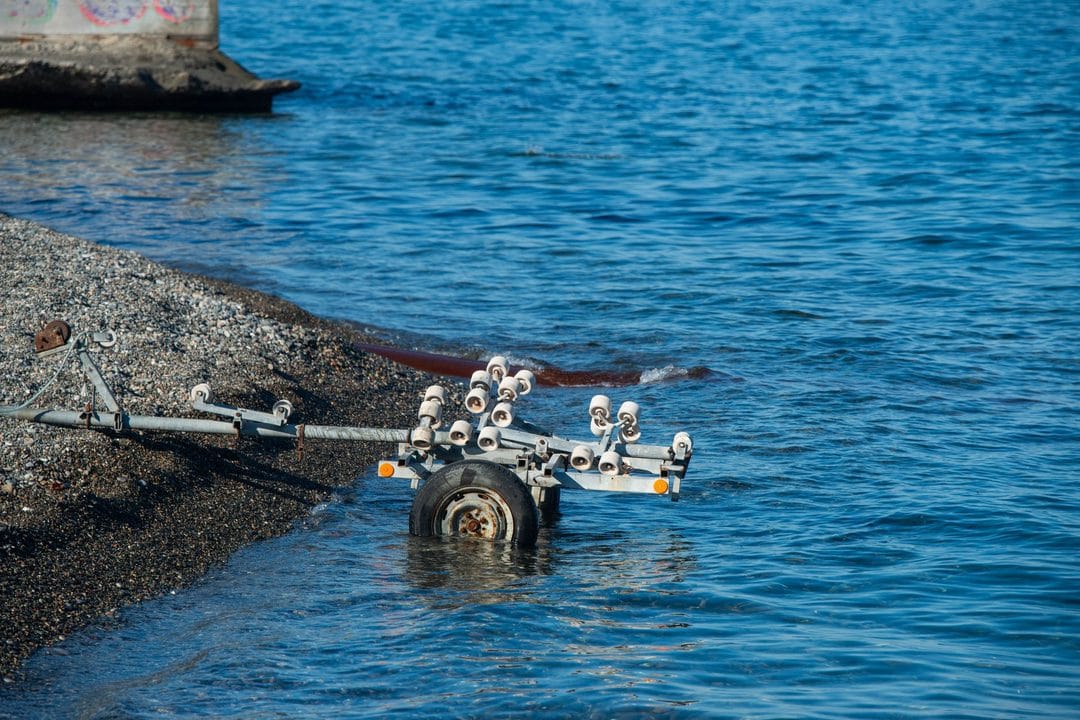
Nobody Talks About the Boat Ramp, and It Shows
You can spend two years learning where the walleye stack up on a windblown point, drop a month's pay on electronics, and read every forum thread about leader knots — and still be the person holding up forty trucks on a Saturday morning because you backed your trailer into the water with the bow strap still cinched tight. The ramp is where competence is most visible and least practiced. Everyone watches it happen, almost nobody teaches it, and the gap between a smooth launch and a circus is mostly about a handful of habits you can build in an afternoon in an empty parking lot.
This is the part of the day that decides whether the trip starts relaxed or already behind. A clean launch buys you the first good light. A botched one means the bite has moved off before your motor is even down. So it is strange how little serious attention anglers give the twelve minutes that bracket every outing, when they will happily argue for an hour about braid versus fluorocarbon.
The Real Cause of Ramp Chaos Is the Prep, Not the Backing
Most people blame their reversing skills. The truck jackknifes, the trailer swings the wrong way, and they decide they are just bad at it. But watch a busy ramp for half an hour and you notice the actual bottleneck is almost never the few seconds of backing down. It is everything that should have happened before the trailer touched the ramp and didn't.
The fix is a staging routine you do off to the side, away from the water, before it is your turn. Pull into the prep area, not the ramp lane. Remove the transom straps and the bow safety chain — but leave the winch strap and winch hook attached until the boat is floating, because that strap is the only thing keeping the hull from sliding off on a steep concrete grade. Put the drain plug in; this is the single most expensive thing to forget, and people forget it roughly once a season until they have stood ankle-deep bailing a swamped bilge. Load your rods, cooler, and tackle into the boat now. Disconnect the trailer lights if you run an older harness that cooks the bulbs when submerged. Lower the motor partway. Then, and only then, take your turn in the lane.
Do all of that in the prep zone and the actual launch becomes about ninety seconds of driving, not a frantic scavenger hunt while a line builds behind you. The chaos was never the backing. It was trying to do twelve tasks in the one place where everyone is waiting on you.
Backing a Trailer: The One Trick That Actually Works
Forget the advice about putting your hand at the bottom of the wheel. It works, sort of, but it forces you to translate directions in your head while a trailer is moving, and under pressure that translation breaks. The thing that actually works is simpler: look out the back window, not the mirrors, and make small inputs. A boat trailer reacts faster than people expect, and the universal beginner mistake is oversteering, watching the trailer swing too far, then yanking the wheel the other way and starting an oscillation that gets worse with every correction.
Steer in small movements, pause, see what the trailer does, then adjust. If it is going badly, pull forward and straighten out — there is no rule that says you have to fix a bad angle in reverse, and pulling forward to reset is what experienced people do constantly. Nobody at a ramp respects the person who refuses to pull forward and instead saws the wheel back and forth for three minutes. They respect the person who pulls up, resets clean, and backs straight down in one go.
Practice this in an empty lot with a couple of cones or trash cans. Twenty minutes of deliberate practice backing toward a target will do more for your ramp confidence than a whole season of learning it live with an audience.
The Single-Hander's Problem and the Cure
Launching with two people is easy: one drives, one handles the boat. Doing it alone is where most of the genuine drama happens, and a lot of anglers fish alone by choice. The cure is a length of rope and a small change in sequence.
Before you back down, tie a bow line long enough to reach the dock and clip the other end somewhere you can grab it. Back the trailer in until the stern floats and the bow is still gently held by the winch strap. Release the winch hook, give the boat a small shove or a tap of reverse if your trailer has a tilt, and let the hull slide off into the water — held by that bow line you tied. Now you can walk the boat to the dock by the rope, tie it off, and go park the truck without the boat drifting to the far shore. The whole problem of "how do I hold the boat and move the truck at the same time" disappears the moment there is a rope between the two.
One caveat that the rope advice usually skips: on a very steep ramp or in a stiff crosswind, a floating boat on a long line can pin itself against the dock hard enough to scuff the gelcoat or trap a fender. Tie shorter and add a stern line if the wind is up, and accept that a windy single-handed launch is simply a slower, more deliberate job than a calm one.
Ramp Etiquette Is Just Time Awareness
The unwritten rules of a boat ramp all reduce to one idea: the ramp lane is a shared resource and your job is to occupy it for as little time as possible. Stage in the prep area. Have the boat ready before you take your turn. Launch, clear the lane, then sort out your gear at the dock or back in the lot — never in the lane itself.
- Pull forward off the ramp before you tie down, strap up, or rearrange your cooler.
- If you see someone struggling alone, offer to hold a line or spot their backing — most people will say yes, and you have just made the whole line move faster.
- Keep your prep area tidy: a single rope across a lane or a tackle box left on the concrete is how the morning's first fender-bender happens.
- And the one everyone forgets: on the way out, clean the trailer and check for weeds and water before you hit the road, because moving an invasive plant or a bucket of standing water to the next lake is the kind of mistake that closes ramps for everyone.
None of this requires being fast in some macho sense. A careful, slow launch by someone who staged properly still clears the lane quicker than a panicked rush by someone who didn't. Time awareness beats speed every time.
The Retrieve Is Where Tired People Make Expensive Mistakes
The end of the day gets less attention than the start, and it shouldn't, because you are tired, possibly sun-cooked, and your judgment is worse than it was at dawn. The retrieve has its own short list of things that wreck a trailer or a truck.
Back the trailer in to the same depth you launched from — too deep and the boat floats over the guides and lands crooked; too shallow and you are winching the full weight of a wet hull up the bunks against gravity. Drive or winch the boat on until the bow touches the stop, then hook the winch strap and crank it snug before you pull forward. The reason a boat occasionally falls off a trailer on the highway is almost always that someone, tired at the end of a long day, drove out of the water without hooking the winch and trusted momentum to hold the hull in place. It holds, right up until the first hard brake.
Pull up the ramp, then do everything else in the lot: pull the plug to drain, strap the transom, secure the bow chain, stow the gear. The lot is yours for as long as you need it. The ramp belongs to the next boat. Get the muddy, fiddly work done where you are not in anyone's way, and the last memory of the day is the quiet drive home instead of the guy behind you leaning on his horn.