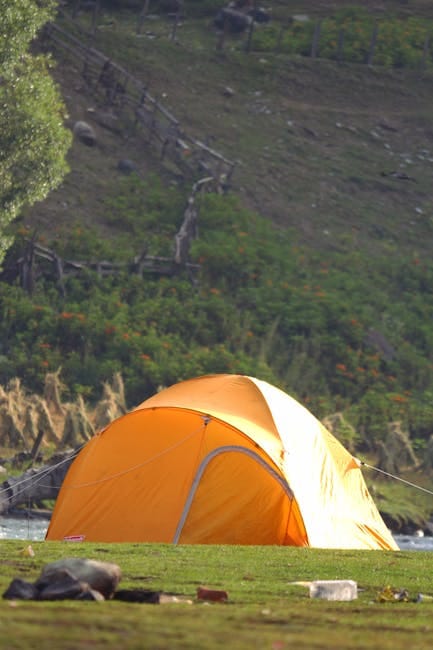
The first week I hunted elk in Colorado I stayed in a tent that was too small, slept on a pad that was too thin, cooked on a stove that was too weak, and by day four I was so exhausted, cold, and sore that I missed the best window of the hunt because I could not force myself out of the sleeping bag before sunrise. I killed no elk that trip. I also learned, at considerable cost, that a hunting camp is not just where you sleep. It is a production system for keeping a hunter effective for an extended period of time. A bad camp sabotages the hunting. A good camp enables it.
Over the fifteen or so multi-day basecamp trips I have run since that first miserable one, I have refined what I bring, how I set it up, and what I cook. The system below is what I use now for a week-long hunt in mountain or remote terrain, where the nearest motel is two hours away and the closest convenience is a gas station 40 miles from the trailhead. Most of the gear has been used, abused, replaced, and upgraded to arrive at the current kit. This is not the luxury camp setup. It is the working-hunter camp setup, designed around durability, warmth, and enabling aggressive hunting.
The Shelter
For a 1 to 2 person base camp, a 4-person 3-season backpacking tent is my choice. I use a Big Agnes Copper Spur HV UL4. It is a tent marketed at backpackers, which means it is lighter than a true hunting-camp tent, but the floor space comfortably fits a hunter, gear, and a folding chair inside. I am not backpacking it, so the minor weight penalty versus a true camping tent does not matter.
For a 3-plus person hunting camp, I upgrade to a 6-person canvas wall tent with a wood stove. A Kodiak Canvas Flex-Bow, around $800 to $1,000, is the standard. A wood stove inside, either a Cylinder Stoves Elkhorn or a Tumwater Medium, turns the canvas tent into a heated and cookable indoor space that outperforms any synthetic tent in comfort. The weight and bulk of canvas plus stove require a pickup truck or trailer, which limits access to where you can drive to camp. Worth it for properties accessible by vehicle.
Tarp shelters are for emergencies or short trips. They do not provide enough enclosure for week-long hunting in variable weather. Skip them for anything longer than 2 nights.
The Sleep System
A proper sleeping bag is not optional. I carry a Western Mountaineering Kodiak Gore-Tex 0-degree bag, about $700, which is rated to 0 Fahrenheit and actually performs at that temperature. A cheaper -20F synthetic bag will do in a wall tent with a stove, but for anywhere else, down insulation is better because it compresses smaller and weighs less.
A good sleeping pad makes or breaks a week of sleep. A Therm-a-Rest NeoAir XTherm, around $200 to $230, has an R-value of 7.3 and keeps you insulated from cold ground. A Thermarest Z-Lite foam pad, around $40 to $50, works as a secondary ground pad in a wall tent, or as the primary pad in a pinch. Anything cheaper than these will leak, fail, or leave you cold, and the sleep deprivation will ruin your hunting by day three.
A pillow matters. A compressible camping pillow like the Sea to Summit Aeros Ultralight, about $45, weighs almost nothing and lets you sleep in your normal position. A makeshift pillow of rolled clothing is miserable.
The Stove
For cook-only use, a JetBoil or MSR PocketRocket with a 4-ounce fuel canister is fine for solo basecamp cooking. If you plan to actually cook real meals, upgrade to a 2-burner Coleman or Camp Chef propane stove. The Camp Chef Everest 2X, about $150, puts out 20,000 BTU per burner and cooks at home-kitchen speed. For a basecamp crew of 3 to 6, this stove is the right size.
A 20-pound propane bottle lasts for a week of cooking at this rate with margin to spare. A 5-pound bottle is sufficient for 3 days of lighter cooking.
Wood stoves inside a canvas tent are magnificent. They provide heat, hot water for coffee, and a cooking surface for a frying pan. They also require firewood, which means finding dry wood near camp or hauling it in. Wood-stove setups are high-effort, high-reward.
The Kitchen
Basecamp cooking lives or dies by the kitchen setup. A folding camp kitchen stand like the Camp Chef Mountain Series Kitchen Station, about $180, holds two burners, a sink-sized wash area, and a prep surface. This is the single biggest quality-of-life upgrade in basecamp cooking I ever made.
A real kitchen includes a 2-burner stove, a 12-inch cast iron skillet, a 2-quart pot, a 1-quart pot, a coffee percolator or pour-over, mixing utensils, 2 cutting boards, a chef's knife, dish soap, pot scrubbers, and dish-drying space. All of this fits in a standard 120-quart cooler used as a camp storage box.
A Yeti Tundra 65 or similar high-quality cooler holds ice for 5 to 7 days in summer basecamp conditions, meaning fresh eggs and bacon through the trip. In fall, ice lasts longer, even in cheaper coolers. A second cooler holds hunting meat as it comes in, separate from food.
The Food Plan
For a week of serious basecamp cooking, I plan around specific dinners rather than winging it. Night 1 arrival, burgers or steak on cast iron. Night 2, chili with cornbread (pre-made at home, reheated in the Dutch oven). Night 3, spaghetti with sausage. Night 4, breakfast for dinner, eggs, bacon, hashbrowns. Night 5, fajitas with tortillas. Night 6, a Dutch oven chicken stew. Night 7, leftovers or tacos.
Breakfasts are standardized. Bacon, eggs, and potatoes every morning is heavy and satisfying. Oatmeal with butter and brown sugar on lighter-effort days. Coffee is essential, a percolator over a stove burner produces a better cup than a Keurig pod in a gas station.
Lunch is portable because you are hunting through midday. A sandwich of summer sausage and sharp cheddar cheese on good bread, a Snickers bar, an apple, and a thermos of coffee. All prepared at camp in the morning and carried in your pack. Actual hot lunch back at camp is a luxury I do not bother with on a hunting trip.
The Snack Box
A communal snack box with beef jerky, cookies, chips, and candy lives on the kitchen prep surface. Anyone who is hungry grazes. This covers the inevitable low-blood-sugar moments, avoids arguments over portions, and saves serious meal prep for actual meals. Budget $50 to $80 for snacks per person per week.
The Layout
Camp layout matters more than most hunters realize. A good layout has the tent uphill from the kitchen area, the kitchen separated from the meat storage, the meat storage downwind of the sleeping area, and all of it inside a visible corner of the property so you can find it in the dark.
Put the fire ring 10 to 15 feet from the tent, not closer. Sparks will burn tent walls. Put the chairs where they catch the afternoon sun for evening warmth. Put the bathroom area, if camping primitive, 100 feet downwind and downhill of the kitchen.
Hang food and anything with scent at least 12 feet up and 4 feet out from the trunk of a tree, or store it in a bear-proof container. Black bears in most of the western United States are a real concern. I have had a bear in camp in Montana that tipped a cooler, and a proper bear canister or bag would have prevented the problem.
Lights and Power
A headlamp is essential. I carry a Petzl Actik Core, rechargeable, for about $60. Batteries die in the cold. Rechargeable is better. Spare batteries and a small power bank for recharging cover the full week. A Jackery 240 or similar portable power station, about $200, holds enough charge to run a CPAP, recharge phones, and power USB lights for 5 to 7 days.
A lantern for the kitchen area makes everything easier. A rechargeable LED lantern hangs from a tent pole or a tree branch. Propane lanterns are old-school but work. An LED camp lantern is cheap, light, and reliable.
The Water
Drinking water for a week of basecamp cooking, cleaning, and drinking is substantial. 5 gallons per person per week is a reasonable estimate. For a 2-person camp, that is 10 gallons, which fits in two 5-gallon water jugs.
Filtered water from a nearby stream extends the supply. I carry a Katadyn Base Camp Pro 10-liter gravity filter, about $170, which produces 2 liters per minute without pumping. This is the most efficient way to process filtered water for a basecamp.
A MSR Dromedary bag 10-liter works as secondary storage. Fill it in the morning from your filter and hang it in the kitchen area for dish washing and quick drinks.
Comfort Items That Earn Their Weight
A folding camp chair like the Helinox Chair One or Sunday, about $100. Sitting on a log or the ground for a week destroys the lower back. A chair is a luxury that pays off after day three.
A small roll-up table like the Helinox Table One, about $100, gives you a prep surface, a dining surface, and a staging area for gear. Without a table you end up with everything on the ground, which is sandy, dirty, and miserable.
A Buff or neck gaiter, warm socks to change into after a day in hunting boots, slippers for around camp. Small items that massively improve morale and camp comfort.
What I Used to Bring and No Longer Do
Camp shower setups. Took too long to set up, used too much water, and honestly, a week without a proper shower is not a big deal when you are hunting. A camp-shower bag full of heated water does the job in 5 minutes.
Elaborate cooking equipment. I used to bring a Dutch oven plus a full set of nested pots plus a pressure cooker. Now I bring one 12-inch cast iron, one 2-quart pot, and one 1-quart pot. That is enough for any meal I actually cook.
Board games and books. Never played or read them. After 12 hours of hunting and a dinner, I go to sleep. The extra weight of entertainment equipment is wasted.
The Total Kit Weight
For a drive-in basecamp, total weight does not matter much. Load the truck bed and go. For a basecamp accessed by horse or by 4-mile walk-in, weight matters enormously. A minimized kit can come in at 80 pounds for all the gear a solo hunter needs for a week. A luxury kit for a 4-person wall-tent basecamp can easily exceed 500 pounds.
Match your kit to your access. Do not bring a Kodiak Canvas wall tent to a backpack-in camp. Do not bring a single-wall backpacking tent to a truck-accessible basecamp where you will freeze in it. The right gear for the specific trip is what makes the difference between a miserable week and a productive one.