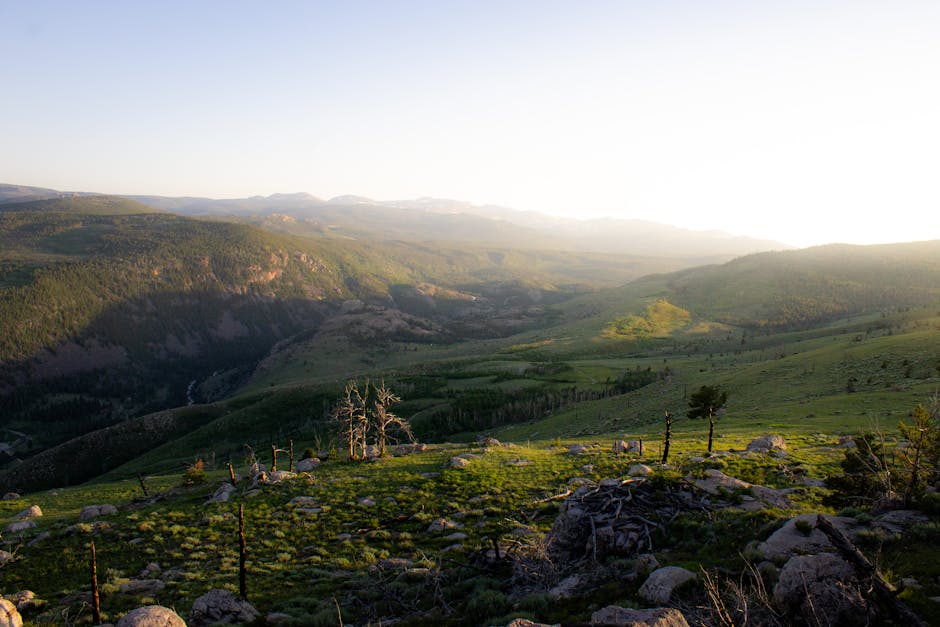
Three years ago I put in for a Wyoming nonresident elk tag in the general draw, forgot I had applied, and received a letter in June telling me I had drawn. I had preference points from my previous applications. I had never hunted Wyoming before. I had to scramble to learn the unit, book a rental, and plan a hunt on short notice. That ended up being one of my favorite elk hunts ever, but the experience taught me that understanding the tag system is as important as understanding the actual hunting. Western big game tag systems reward hunters who plan years in advance, not hunters who decide in July that they want to hunt in September.
Montana, Wyoming, and Colorado are the three most-hunted states by out-of-state elk hunters. They have radically different tag systems, different nonresident costs, and different draw odds. Understanding each is essential for any hunter planning a Western trip. This is a practical overview of each state's system, focused on what a nonresident hunter actually needs to know.
Wyoming
Wyoming uses a preference point system with a draw deadline in the late winter. Nonresidents apply for tags in specific elk units, and the draw results are announced in May or June. Applicants accumulate a preference point each year they do not draw, and those points increase the odds of drawing in future years.
General elk tags in Wyoming are relatively attainable. Most units draw with 0 to 3 preference points for nonresidents. Premium units, where trophy elk are more common, require 6 to 10 points. Sheep, moose, and goat tags require 15 to 20 plus points or the once-in-a-lifetime draws for some species.
The cost structure is as follows. Nonresident elk license, around $700 base plus $50 preference point. Antelope, around $300. Deer, around $300. Sheep, $2,500 if drawn. Wyoming also requires hunters to purchase a $21 Habitat Stamp and the $17 daily conservation stamp.
The Wyoming system rewards patience. A nonresident who applies every year for 8 to 10 years can accumulate enough points to draw quality tags consistently. A nonresident who applies once hoping for a random draw will often draw nothing.
Wyoming Special License
Wyoming's Special License system is worth knowing. It allows applicants to pay a higher fee, around $1,400 instead of $700 for elk, for access to a separate draw that has smaller applicant pools and better odds. For hunters with the budget, the Special License is often the fastest way to a Wyoming tag.
Montana
Montana uses a pure random draw system for nonresident big game licenses. There is no preference point system for the general elk and deer combos, though some species like sheep and moose have bonus points. Nonresidents apply in March and results come in late April.
The key Montana decision is the general elk or combo license. The Big Game Combo at around $900 gets you both an elk tag and a deer tag. The Elk Combo at around $650 gets just elk. The nonresident draw is a single pool with a roughly 50 percent draw rate year over year, though this varies.
Montana's draw odds for general tags have fluctuated with supply changes in recent years. In some years, nearly everyone who applied drew. In other years, demand exceeded supply and draw rates dropped to 30 to 40 percent. Planning in Montana requires accepting that you may not draw in any given year.
The limited-entry Montana permits for specific premium units are drawn with a bonus point system. A hunter who applies unsuccessfully accumulates bonus points that increase future draw odds. This system rewards persistence similar to Wyoming's preference points.
The Outfitter Set-Aside
Montana has a nonresident outfitter set-aside that guarantees a certain percentage of tags to hunters who have booked with a licensed outfitter. A hunter booking an outfitted hunt in Montana is essentially guaranteed a tag, assuming the outfitter has unfilled spots. This costs more, as you are paying for the outfitted hunt, but it eliminates draw uncertainty. A typical Montana outfitted elk hunt runs $6,000 to $10,000 for 5 to 7 days of hunting.
Colorado
Colorado has moved to a preference point system for all big game species. Nonresidents apply in April, results are announced in late May or early June. Elk, deer, antelope, bear, and moose all use preference points.
General Colorado elk licenses for over-the-counter units do not require a draw. Any nonresident can buy an OTC elk license for any of the approximately 70 OTC units. Cost is around $770. These OTC units receive the bulk of Colorado's nonresident elk hunting pressure and are the most crowded areas, but also the most accessible way to hunt Colorado elk.
Premium Colorado units require draw tags with significant preference points. Units 201 and 61 in the North region, and various Gunnison-area units for trophy bulls, require 15 to 25 points for nonresidents to consistently draw. These are career-tag investments for most applicants.
Colorado's cost structure. Nonresident elk license, $770. Deer, $450. Antelope, $400. Bear, $100 plus a combo discount. Preference points, $40 to $50 depending on species. Colorado is generally more expensive than Wyoming and Montana, but its OTC option allows hunters to hunt without waiting for a draw.
Colorado OTC Reality
Colorado OTC elk units have the highest elk populations in the country, but also the highest hunter density. A typical OTC unit holds 2,000 to 5,000 elk but may see 500 to 2,000 nonresident hunters during the rifle season. Success rates are 15 to 25 percent for rifle hunters, better for archery hunters who spread into different seasons.
Choosing the right OTC unit matters enormously. Some OTC units have road-dense terrain and get trampled with traffic. Other OTC units have limited vehicle access and require pack-in hunting that many hunters will not do. The less road-accessible an OTC unit is, the better the hunting quality.
Point Farming Strategy
A serious Western hunter should be applying in all three states every year, accumulating points across all three. This is called point farming. The cost is the annual preference point fee, around $40 to $80 depending on state, which is modest for the long-term value.
My personal point farming strategy. I buy an elk point in Wyoming, Montana, and Colorado every year I do not draw a tag. I also maintain antelope points in Wyoming and Colorado, and deer points in all three. Total annual cost is around $300 for preference points, not counting when I actually draw and pay for the license.
By maintaining points in three states, I have multiple paths to a hunt each year. A draw failure in one state does not mean a hunt failure overall, because I have other states where my points are higher.
Nonresident License Availability
Wyoming and Montana both cap nonresident licenses, meaning there is a fixed pool of tags allocated to out-of-state hunters regardless of demand. Colorado also caps at the unit level for draw tags. Each year, supply and demand shifts slightly, but the underlying cap structure means draw odds are predictable over multi-year horizons.
Idaho, as a comparison point, has historically been more generous with nonresident tags but has moved toward stricter caps in recent years. Other Western states vary. Always check current year's cap levels and recent draw odds on the state agency website or on a service like GoHUNT.
The Private Land Alternative
Landowner preference tags, vouchers, and outfitter-guaranteed tags all provide alternate paths to Western big game hunting without waiting for the public draw. These are more expensive but bypass the draw system entirely.
Wyoming's landowner tag program provides guaranteed tags to landowners, who may sell them to nonresidents. A Wyoming landowner elk tag from a ranch may run $3,000 to $10,000 above the base license cost, but it is guaranteed availability in the specific unit.
Colorado's landowner preference program works similarly. Outfitters in all three states often hold outfitter-guaranteed tags or landowner-vouchered tags that they bundle into their hunting packages.
The math on these options is straightforward. If the extra cost is worth more than the value of your time waiting for a draw, buy the guaranteed tag. If you have patience and the preference points strategy working, the public draw is cheaper.
The Real Takeaway
Western big game hunting, for a nonresident, is a multi-year planning exercise. A hunter who applies once and expects to hunt has misread the system. A hunter who applies annually for 5 to 10 years across all three states can consistently access quality hunting with a combination of drawn and OTC tags.
Start point farming as early as you can. The preference points accumulated in your twenties pay off in your thirties and forties, when draw odds become realistic for good units. For a hunter new to Western hunting, the best first steps are an OTC Colorado elk hunt, a Montana combo application, and a Wyoming preference point, all in the same year. That gets you into the system, gets you an OTC tag for Colorado, and positions you for Montana draws and eventual Wyoming draws.
The cost is real. A fully loaded Western hunting budget across three states, with preference points and the occasional tag, runs $1,500 to $3,000 per year minimum. Plus travel, lodging, and equipment. This is not a budget hunt in most years. It is a substantial outdoor recreation investment that pays dividends in elk, deer, antelope, and occasionally sheep and moose if the points stars align.
Know the system before you spend the money. Understand what your application fee buys you in each state, how long the payoff takes, and what your alternatives are. The hunters who have the best Western hunting experiences are the ones who treat the tag system as a long-term strategy, not a lottery ticket.