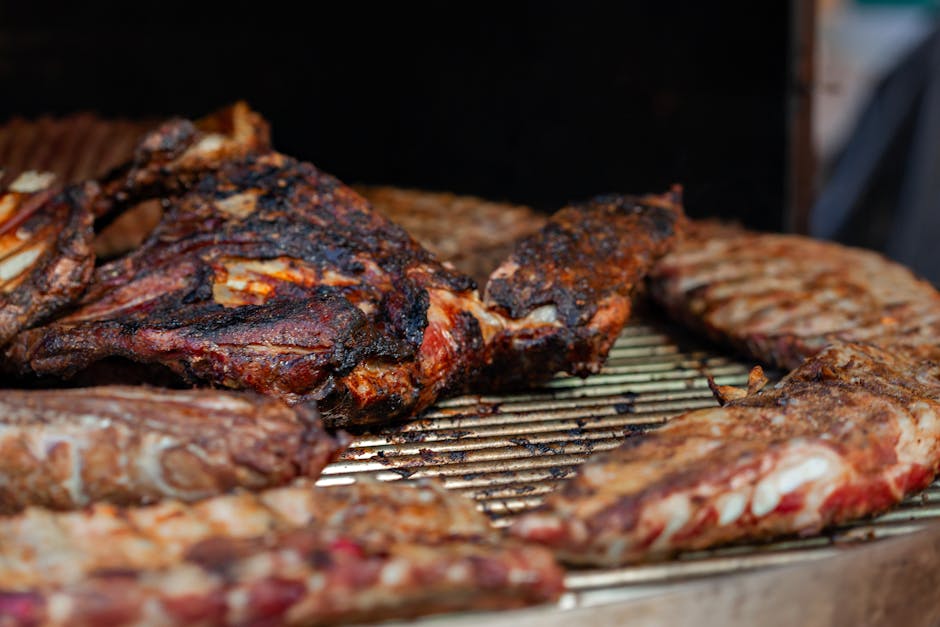
The first time I tried to smoke a venison shoulder like a beef brisket, I pulled a pot roast-sized piece of shoe leather out of my smoker after 12 hours. The internal temperature had hit 205 the way brisket recipes said it should. The meat was dry, stringy, and inedible. I ate a few bites standing over the smoker, fed the rest to the dog, and swore I would never try to smoke venison that way again. It took me three more attempts over the next two seasons to figure out what I had been doing wrong, and once I figured it out, the venison shoulder became one of my favorite smoked preparations of any meat.
Wild game behaves differently in the smoker than beef or pork. The fat content is not there to buffer the cook, the connective tissue structure is different, and the meat dries out faster at every stage. You cannot just apply brisket technique to venison and expect the same results. You have to adapt for the lean meat, and once you do, the results are genuinely excellent. This article covers the two smoked preparations I make most often, a brisket-style smoked venison shoulder and whole-smoked waterfowl breasts, both of which have become standard dishes at hunting-camp dinners.
Brisket-Style Venison Shoulder
The front shoulder of a deer, roughly 5 to 8 pounds depending on the animal, has the best collagen-to-muscle ratio for low-and-slow smoking. Not the neck, which is too sinewy. Not the hind quarter, which is too lean. The shoulder has enough connective tissue to break down into something tender over a long cook, but enough muscle bulk to hold up to the heat without drying into dust.
Trim the shoulder of all external fat and silver skin. Deer fat, unlike beef, turns waxy and unpleasant when smoked. All of it comes off. What remains should be clean, deep-red muscle with some of the internal connective tissue structure visible.
The Brine Step
Venison shoulder gets a two-day wet brine before smoking. This is the single most important difference from beef brisket technique. A brine of 1 gallon water, 3/4 cup kosher salt, 1/4 cup brown sugar, 1 tablespoon pink curing salt, 2 tablespoons whole black peppercorns, 4 crushed garlic cloves, 2 bay leaves, and a tablespoon of mustard seeds, all brought to a boil and cooled before submerging the meat, will season the meat throughout and keep it much moister during the long smoke.
Two full days in the refrigerator, turning the meat every 12 hours. Then remove, rinse briefly, pat dry, and apply a pepper-heavy dry rub. I use equal parts coarse black pepper, smoked paprika, and brown sugar, with half that amount of kosher salt and a teaspoon of garlic powder. Coat the shoulder evenly. Let it sit uncovered at room temperature for 30 minutes while the smoker comes up to temp.
The Smoke
Smoker temp 225 degrees, either pellet or stick burner. I prefer oak or hickory for venison. Pecan works well. Mesquite is too aggressive and will overpower the meat.
Smoke uncovered until the internal temp hits 165, probably 5 to 6 hours depending on the size of the shoulder. At that point, wrap the shoulder in pink butcher paper, not foil. Foil creates a pot-roast texture. Butcher paper lets some moisture escape while keeping the bark on the exterior of the meat.
Return to the smoker wrapped. Continue to 190 internal, another 3 to 4 hours. This is the critical difference from beef brisket. Brisket goes to 205. Venison at 205 is cooked too hard and dries out. Pull venison at 190 and it is tender and still moist.
Rest wrapped, in a cooler with towels, for 1 to 2 hours. Slice against the grain, about pencil-thickness. Serve with pickled vegetables, mustard, and good bread. You have just made something that rivals the best beef brisket at a fraction of the cost of a Texas-brand wagyu.
Whole-Smoked Waterfowl Breasts
Mallard and pintail breasts are thin enough that smoking them whole takes some care, or you end up with jerky. Goose breasts are thicker and more forgiving. Either way, the technique has to account for the lean meat and the risk of overcooking.
The Wet Brine
Waterfowl breasts get a 24-hour wet brine, not 48. Smaller pieces absorb brine faster and over-brining produces too-salty meat. Use the same basic brine as for venison shoulder, minus the pink curing salt. For duck and goose, I add the zest and juice of two oranges, which complements the rich flavor of dark poultry.
Remove, rinse, pat dry. Apply a much lighter dry rub than you would on venison. I use kosher salt, coarse black pepper, and a pinch of five-spice powder. That is all. Duck and goose have their own strong flavor. Too much rub masks rather than complements.
Smoking Temperature
Smoker temp 180 to 200 degrees for waterfowl, lower than venison. The goal is to cook slowly enough that the meat reaches 130 to 135 internal without drying out. Apple or cherry wood are the best choices for waterfowl. Hickory is too strong for duck. Mesquite is dramatically too strong.
Smoke the breasts skin-side up until internal hits 130 for medium-rare or 135 for medium, probably 1 to 1.5 hours for duck breasts, 2 to 2.5 for goose breasts. Rest for 10 minutes. Slice thin against the grain. Serve as an appetizer with good bread and a sharp mustard, or over salad greens.
This preparation is shockingly good. Even hunters who claim to dislike waterfowl will eat it. The smoke masks the last trace of liver-like flavor that puts some people off, and the slow-cooked dark meat takes on a bacon-like quality without the heaviness of actual bacon.
Smoker Selection
A Traeger, Pit Boss, or similar pellet smoker in the $600 to $1,200 range is plenty for all of this cooking. You do not need a $3,000 stick burner. I use a mid-priced Traeger Pro 575 and have made every recipe in this article on it without issue. The pellet smoker maintains temperature perfectly, which matters more for these long wild-game cooks than the marginal flavor advantage of a stick burner.
If you already have a stick burner or a kettle grill with a smoker attachment, those work. The technique is the same. Maintaining 225 for 10 hours in a kettle grill is harder than setting a pellet smoker, but not impossible.
Electric smokers like the Masterbuilt work too, though I find the smoke flavor less pronounced than pellet or stick. For the techniques in this article, electric will produce acceptable results.
Wood Choices Matter
Venison goes well with oak, hickory, and pecan. Avoid mesquite. Waterfowl goes well with apple and cherry. Avoid hickory and mesquite. Upland game like pheasant and grouse, if you try smoking them, work with apple or maple only. Stronger woods overpower the delicate meat.
Pellets from reputable brands like Traeger, Pit Boss, Camp Chef, or Bear Mountain produce consistent flavor. Off-brand pellets from discount stores are often padded with oak or alder to reduce cost, regardless of what the bag claims. For a specialty cook, pay the extra few dollars for name-brand pellets.
The Rest Is as Important as the Cook
Wild game must rest properly after smoking. A minimum 30-minute rest for waterfowl, 60 to 90 minutes for a shoulder. During rest, juices redistribute and the muscle fibers relax. Slicing immediately after pulling off the smoker produces a dry, tough result.
I rest venison shoulders in a dry cooler wrapped in butcher paper and then a beach towel. They hold heat for 3 to 4 hours this way, which also gives you flexibility on when to serve. Waterfowl breasts rest on a cutting board at room temperature, loosely tented with foil.
Serving Suggestions
Smoked venison shoulder is best served simply. Sliced thin, on a platter, with pickled red onions, coarse-ground mustard, horseradish cream, and good sourdough. No complicated sauces. The meat is the star.
Smoked waterfowl breast pairs with fruit-based accompaniments. Pickled cherries, fig preserve on crostini, a lightly dressed salad with apple and pecans. The richness of the meat balances the sweetness of the fruit.
For a hunting camp feast, I do both. A venison shoulder smoking overnight while people sleep, then waterfowl breasts going on at noon for a 2pm lunch. Six to eight people can eat for hours on this. The combination of deer and duck is one of the best wild-game meals you can serve, and once your guests taste a properly smoked wild-game dinner, they stop asking why anyone would hunt.